Black horizontal rounded line on a white background
DRIVEWAY & PARKING LOT SEALCOATING
Sealcoat performs best when applied between about 50°F and 90°F with at least 24 rain-free hours to cure, and Jacksonville's roughly 52 inches of yearly rain make that window worth planning around. Richard Cooper's All Around Asphalt provides driveway and parking lot sealcoating in Jacksonville, Florida, protecting home driveways, church lots, and shopping center pavement from sun, water, and fuel. With 16+ years of asphalt work behind us, every job starts with thorough cleaning, oil spot treatment, and crack filling.
Construction workers pouring concrete at a building site, with a truck in the background
Wet concrete pouring from a truck chute onto a construction site, forming a gravelly slab surface

SUN AND RAIN NEVER TAKE A DAY OFF HERE.

Florida pavement ages faster than most because it rarely gets a break. Ultraviolet light dries out the binder that keeps asphalt flexible, and summer storms push water into every hairline crack. A quality sealcoat puts a sacrificial layer between your pavement and that punishment, slowing oxidation and keeping moisture out of the base below.

Applied on a regular schedule, sealing costs a fraction of resurfacing and keeps driveways and lots looking deep black for years. It is the simplest maintenance step that pays you back every single season.

  • Thorough cleaning before every coat
  • Oil spot priming and crack filling
  • Hand-detailed edges and borders
  • Barriers left up through curing
Black horizontal line on a white background
DRIVEWAY & PARKING LOT SEALCOATING

A DEEP BLACK FINISH THAT PROTECTS WHAT YOU ALREADY OWN.

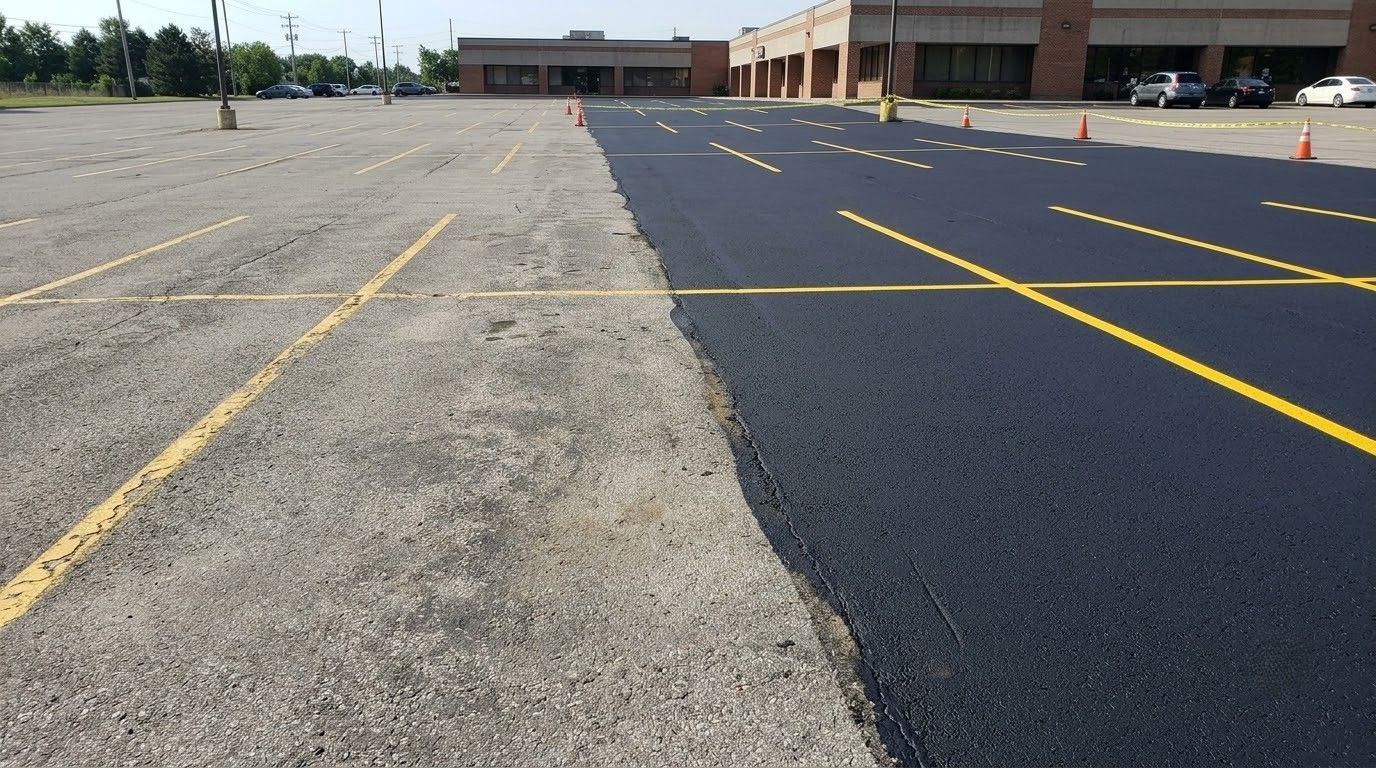
Sealcoating is one of the most cost-effective ways to extend the life of existing pavement. It restores color, hides old patches, and seals out water, fuel, and sunlight before they reach the asphalt beneath. For homeowners, that means a driveway that looks new again. For property managers, it means fewer emergency repairs and a lot that keeps impressing tenants and customers between larger paving projects down the road.

SEALCOATING TIMED FOR JACKSONVILLE WEATHER.

Afternoon thunderstorms are the biggest scheduling challenge for sealing in Northeast Florida. We watch radar closely, plan early starts, and reschedule rather than gamble with an uncured coat. Commercial lots are sealed in sections so parking stays available, and residential driveways get barriers that stay up until the surface is ready, whether you live near the coast in Atlantic Beach or out west in Middleburg.

SEALER IS ONLY AS GOOD AS THE PREP BENEATH IT.

Anyone can spray a coat of black on dirty pavement, and it will peel within a season. Our 16 years of asphalt work taught us that cleaning, priming oil spots, and filling cracks matter more than the sealer itself. We sweep and blow every surface, treat stains, fill open cracks, and hand-brush edges before machines touch the open field. Want a coat that actually lasts through several Florida summers?

WHAT A FRESH SEALCOAT DELIVERS.

Black icon of a snowplow or road grader clearing a snowy road
Protection From UV Damage
A fresh coating absorbs ultraviolet punishment instead of the pavement, keeping asphalt flexible and slowing the brittle, gray aging that leads to raveling, loose stones, and widening cracks over time.
Black construction vehicle icon with a striped front blade and cabin
Better Water Resistance
Sealer closes the fine pores in aging asphalt so rain runs off rather than soaking in, which means fewer soft spots and fewer potholes after heavy summer storms roll through.
Black-and-white icon of a car with a red warning light and front obstacle sensor
Resistance to Fuel and Chemicals
Oil, gasoline, and transmission fluid soften unprotected asphalt quickly. A sealed surface resists those spills long enough for cleanup, protecting driveways, parking stalls, and other high-traffic areas from soft, stained spots.
Black-and-white icon of a construction vehicle with a striped front blade/roller
A Rich, Uniform Finish
Sealcoating restores a deep, even black color that hides old patches and gives visitors a better first impression from the moment they pull in off the street and park.
Black utility vehicle or forklift icon with a striped front bumper on a white background
Longer Pavement Life
Routine applications every few years can significantly extend service life, postponing the far larger expense of an overlay or a complete tear-out. Each coat also buys time to plan future work.
Black train icon with a front-facing engine and striped tracks or barrier below
Easier Upkeep
A sealed surface is smoother and less porous, so sand and leaves blow off easily and stains wipe up faster between visits, keeping pavement presentable with very little effort.
Black horizontal rounded line on a white background

our services

OUR SEALCOATING WORK

From single driveways to multi-section commercial lots, sealcoating depends on preparation and timing. Here are the sealcoating services our crew provides for homeowners, churches, and businesses throughout Duval County and beyond.
Template premium 99
HOME DRIVEWAYS

Residential Driveway Sealcoating


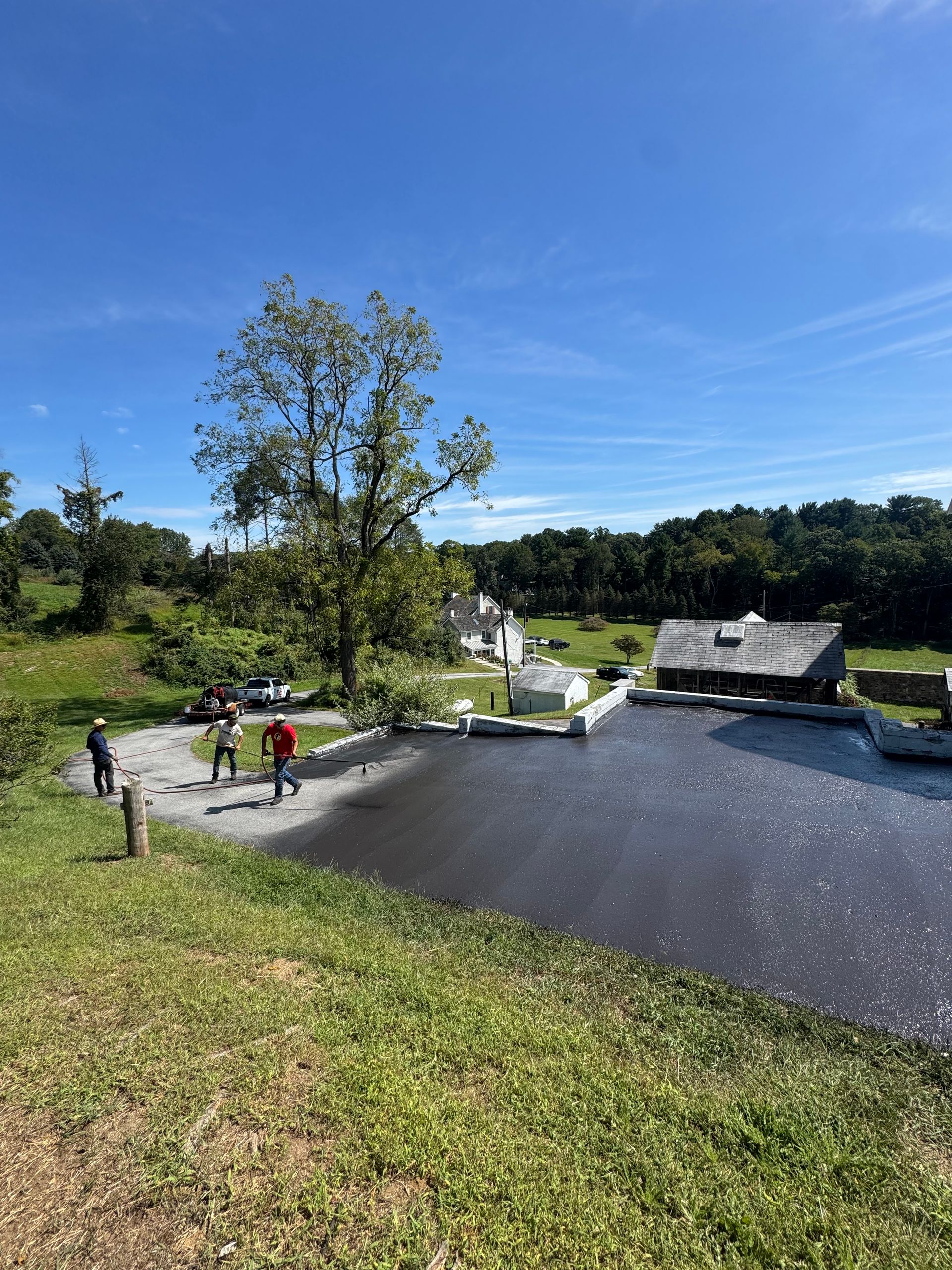
Home driveways get a careful application that respects lawns, walkways, and garage floors. We mask nearby surfaces, spread sealer evenly, and leave barriers up so the finish cures undisturbed until it is ready.
Template premium 99
BUSINESS LOTS

Commercial Parking Lot Sealcoating


Larger lots call for organized sequencing so customers can still park. We seal sections in a planned order and coordinate timing with managers to limit how many stalls close at once.
Template premium 99
CLEAN SURFACE

Surface Cleaning & Oil Spot Treatment
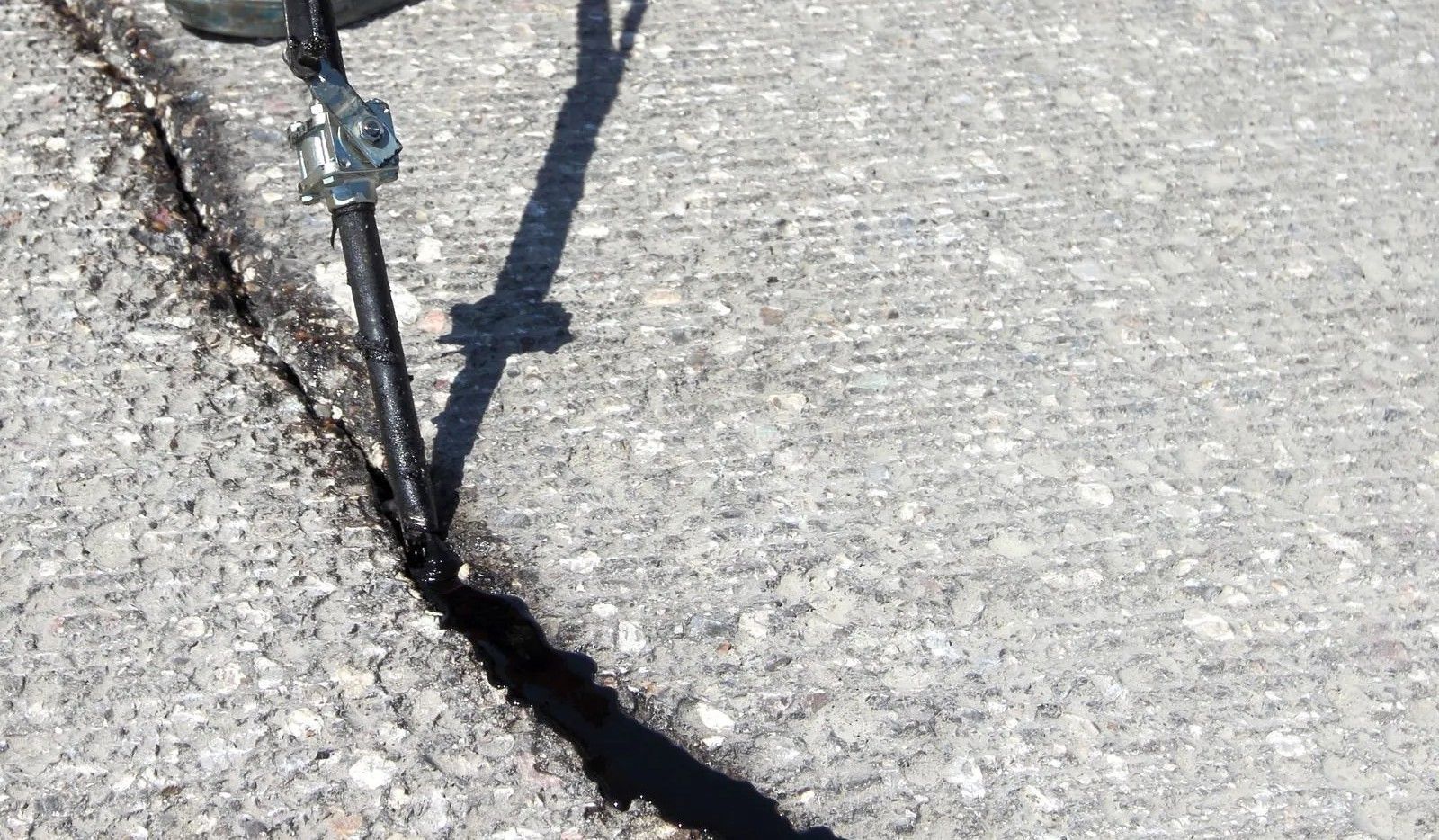

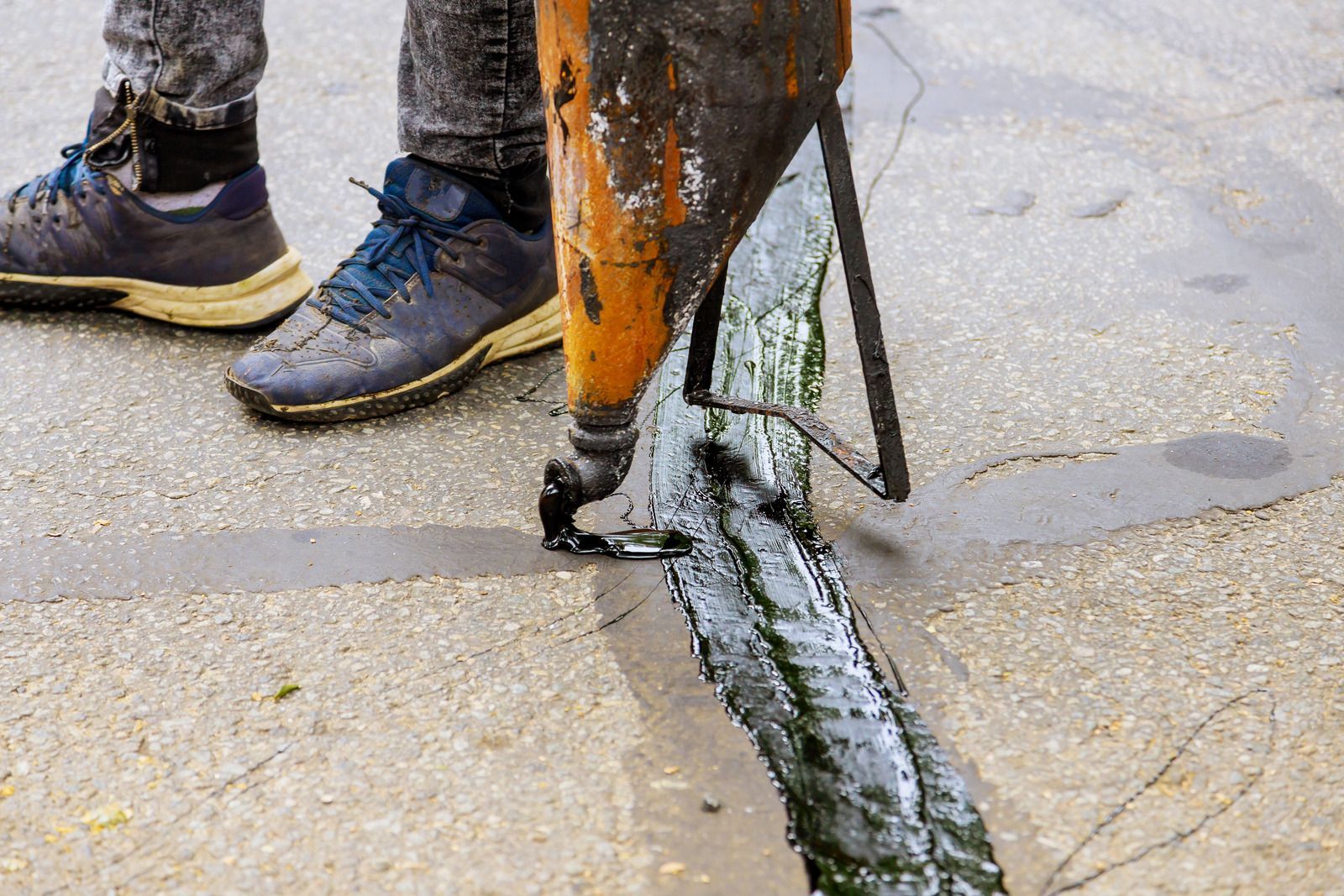
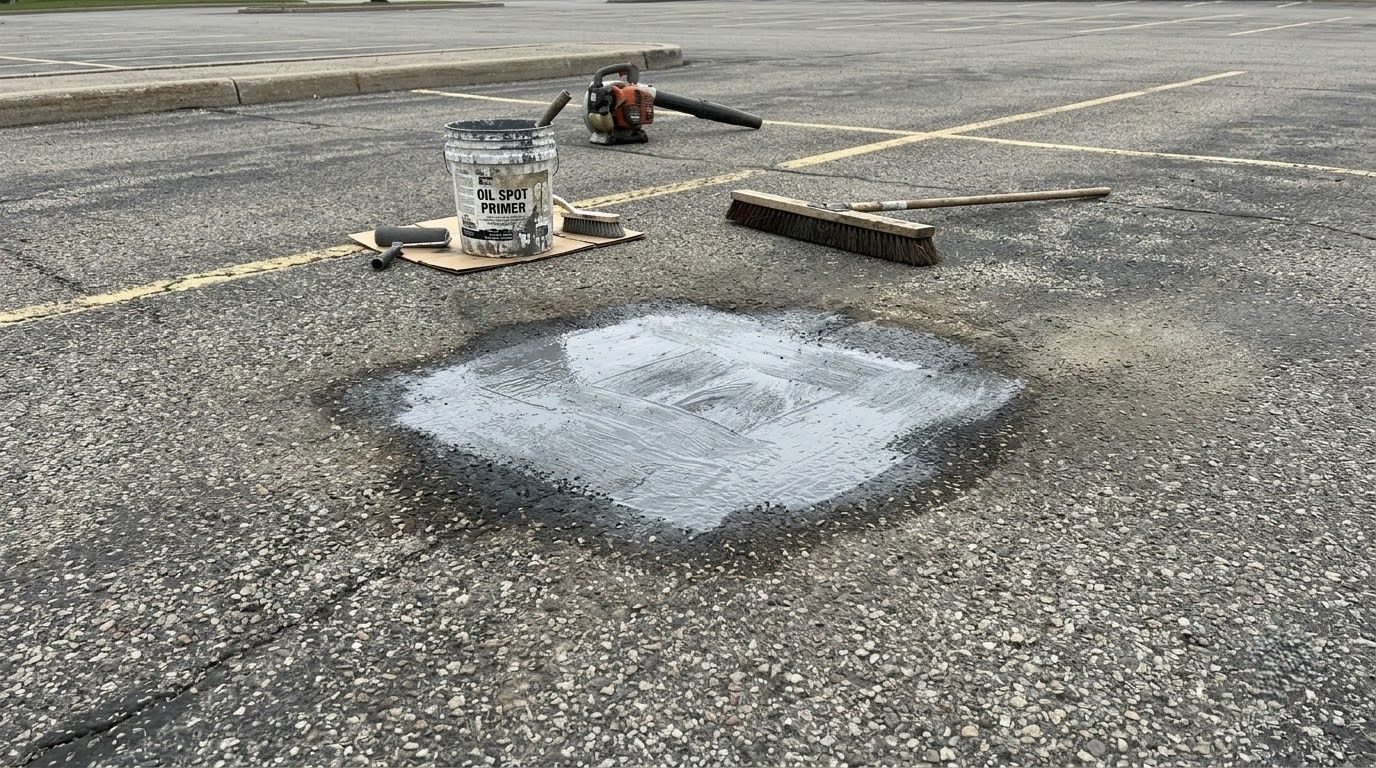
Sealer cannot bond to dirt, sand, or grease. Every surface is swept and blown clean, and petroleum stains receive a primer that helps the new coating grip instead of peeling.
Template premium 99
CLOSED CRACKS

Crack Filling Before Sealing


Open cracks let water reach the base no matter how good the coating looks. We clean each crack, fill it with flexible material, and let it set before any sealer goes down.
Template premium 99
CRISP LINES

Edge & Hand Detailing


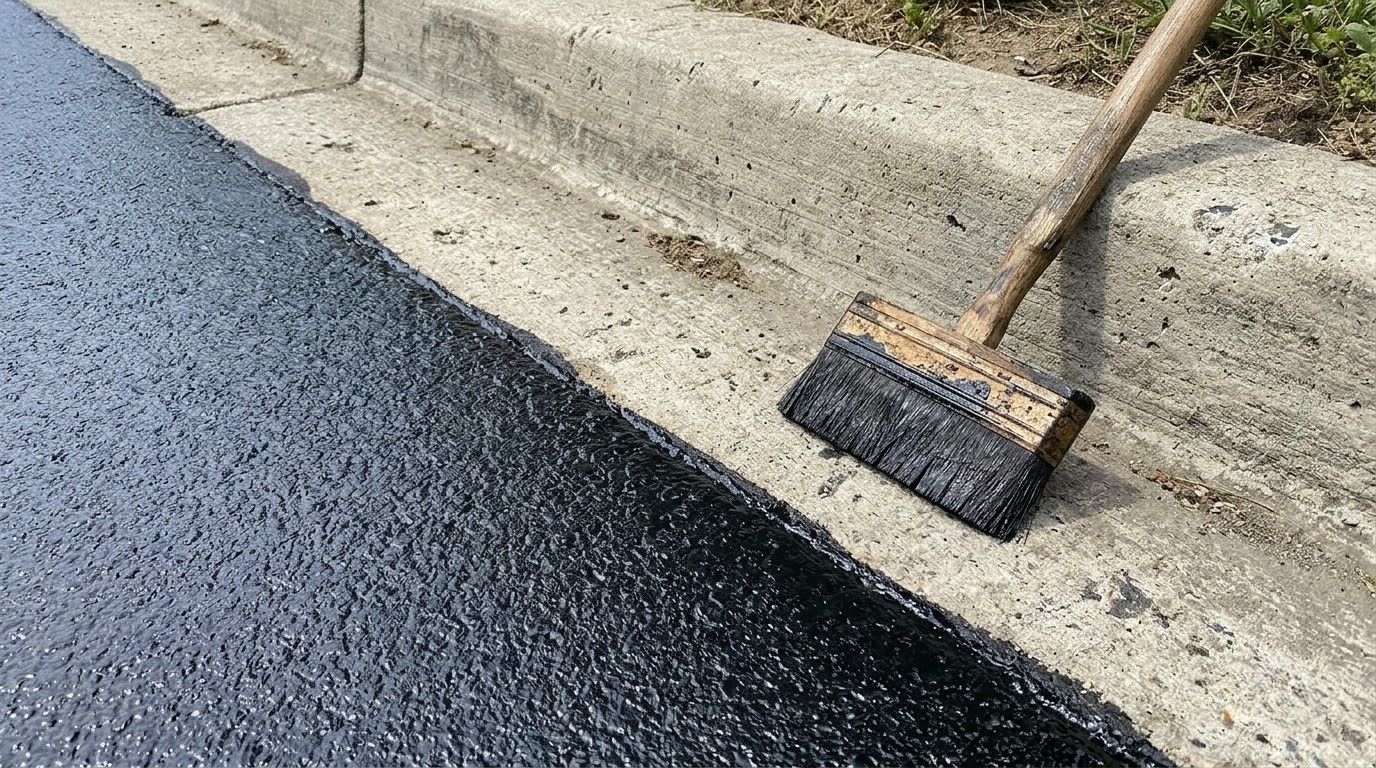
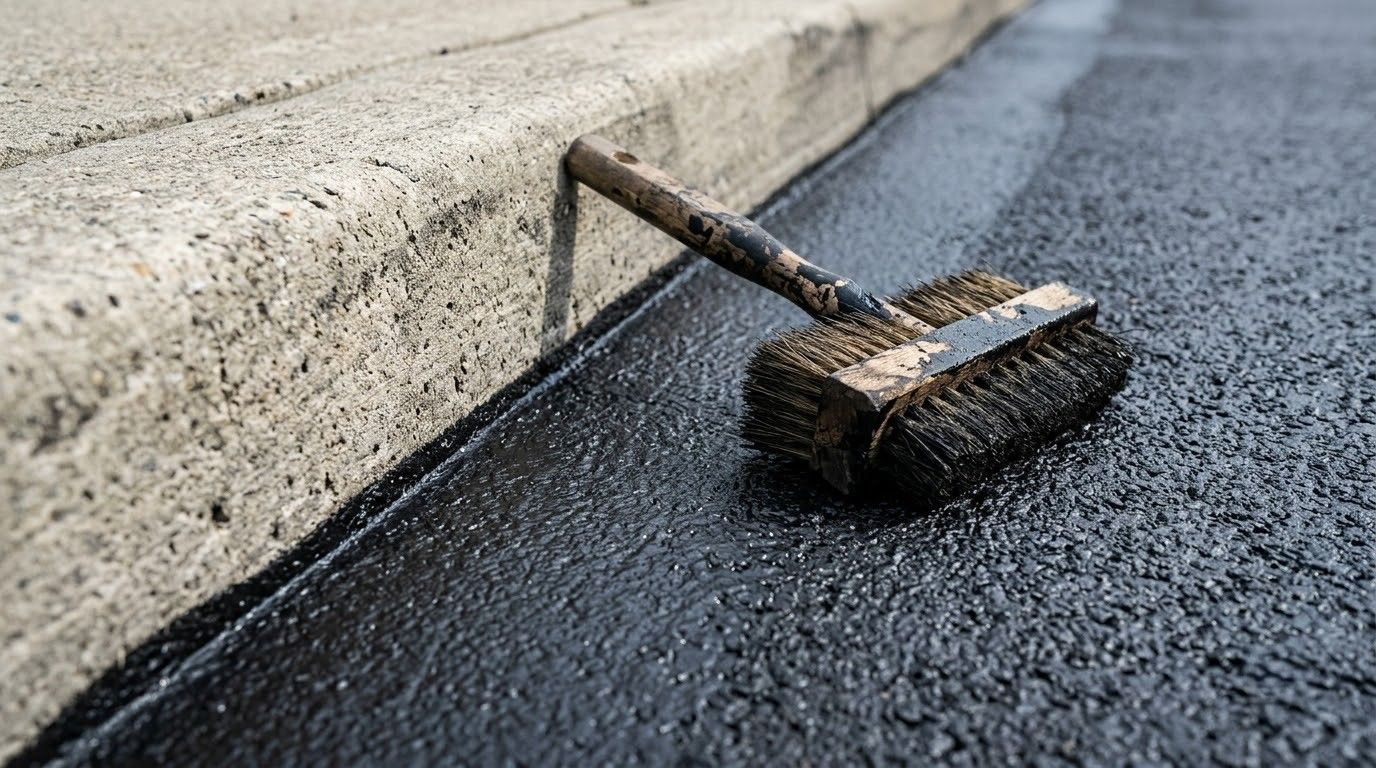
Borders need a steady hand. Our crew brushes sealer along curbs, slabs, drains, and landscape edges, keeping lines crisp and preventing the overspray and drips that spoil a neat finish.
Template premium 99
ON SCHEDULE

Scheduled Maintenance Plans


Regular protection costs far less than reactive repairs. We help owners set a recurring schedule, often every two years, so each coat goes down before oxidation and cracking take hold.
Black horizontal line on a white background

THE WORD ON OUR WORK

WHAT OUR CLIENTS SAY.

Customers often tell us their driveway looks better than the day it was paved. Neighbors notice the clean edges, managers notice the organized sequencing, and everyone notices the color. Read what clients say about our sealcoating work, from quiet cul-de-sacs to busy shopping centers.

How often should asphalt be sealcoated in Northeast Florida?

Every 2 to 3 years suits most driveways and lots here, with busier commercial pavement sometimes needing attention sooner. Watching for fading and fine surface cracks helps you time each application.

How long should I stay off a freshly sealcoated surface?

Foot traffic can usually return after several hours, while vehicles should wait at least 24 to 48 hours. Humid, overcast days slow curing, so we give you a specific reopening time.

What happens if it rains soon after sealcoating?

Rain on uncured sealer can wash it off in streaks or leave a blotchy, weak finish. That is why we watch the forecast closely and reschedule when storms look likely within the curing window.

Can sealcoating fix potholes or large cracks?

No, sealer is a protective coating rather than a structural repair. Potholes, alligator cracking, and sunken areas need patching or base work first, or the damage keeps spreading underneath the fresh coating.

Why do tire marks appear on a newly sealed driveway?

Turning a steering wheel while a car sits still scuffs the soft top layer during the first few weeks. The marks fade as the coating hardens, and avoiding stationary turns early keeps it uniform.

Is sealcoating worth it for an older driveway?

It depends on the condition underneath. Pavement with sound structure and minor cracking benefits greatly, while a surface full of potholes usually needs repair or resurfacing before sealing makes sense.

Can you sealcoat a busy parking lot in Jacksonville, Florida?

Yes, Richard Cooper's All Around Asphalt divides Jacksonville, Florida lots into sections and seals them in a planned sequence. Clear barricades guide drivers to open areas, so customers keep access throughout the work.

Why choose Richard Cooper's All Around Asphalt for sealcoating in Jacksonville, Florida?

Richard Cooper's All Around Asphalt treats sealcoating as real maintenance, cleaning, priming, and filling cracks before any coating goes down. Jacksonville, Florida owners get honest timing advice and edges that stay crisp.

Black horizontal rounded line on a white background

Common Questions

FREQUENTLY ASKED QUESTIONS.

Sealcoating raises questions about timing, cure time, and what sealer can and cannot fix. These answers help homeowners and managers plan the right moment to protect their pavement.

How often should asphalt be sealcoated in Northeast Florida?

Every 2 to 3 years suits most driveways and lots here, with busier commercial pavement sometimes needing attention sooner. Watching for fading and fine surface cracks helps you time each application.

How long should I stay off a freshly sealcoated surface?

Foot traffic can usually return after several hours, while vehicles should wait at least 24 to 48 hours. Humid, overcast days slow curing, so we give you a specific reopening time.

What happens if it rains soon after sealcoating?

Rain on uncured sealer can wash it off in streaks or leave a blotchy, weak finish. That is why we watch the forecast closely and reschedule when storms look likely within the curing window.

Can sealcoating fix potholes or large cracks?

No, sealer is a protective coating rather than a structural repair. Potholes, alligator cracking, and sunken areas need patching or base work first, or the damage keeps spreading underneath the fresh coating.

Why do tire marks appear on a newly sealed driveway?

Turning a steering wheel while a car sits still scuffs the soft top layer during the first few weeks. The marks fade as the coating hardens, and avoiding stationary turns early keeps it uniform.

Is sealcoating worth it for an older driveway?

It depends on the condition underneath. Pavement with sound structure and minor cracking benefits greatly, while a surface full of potholes usually needs repair or resurfacing before sealing makes sense.

Can you sealcoat a busy parking lot in Jacksonville, Florida?

Yes, Richard Cooper's All Around Asphalt divides Jacksonville, Florida lots into sections and seals them in a planned sequence. Clear barricades guide drivers to open areas, so customers keep access throughout the work.

Why choose Richard Cooper's All Around Asphalt for sealcoating in Jacksonville, Florida?

Richard Cooper's All Around Asphalt treats sealcoating as real maintenance, cleaning, priming, and filling cracks before any coating goes down. Jacksonville, Florida owners get honest timing advice and edges that stay crisp.

    Black horizontal rounded line on a white background
    HOW WE WORK

    FROM FADED GRAY TO DEEP BLACK, HERE IS HOW.

    STEP 01

    Inspect the Pavement
    We check for cracks, potholes, oil stains, and soft spots, then tell you honestly whether sealcoating will help or whether repairs should come first. Good timing starts with an accurate picture of the surface.

    STEP 02

    Schedule Around the Weather
    Sealer needs warm, dry conditions to cure. We pick a dependable window, watch radar the day before, and confirm your start time so cars and sprinklers are cleared well in advance of our arrival.

    STEP 03

    Clean Every Inch
    Brooms, blowers, and scrapers remove sand, leaves, dirt, and loose debris from the entire surface. Clean pavement is what lets the new coating bond instead of flaking away within the first few months of use.

    STEP 04

    Treat Stains and Fill Cracks
    Oil and fuel spots get a primer so sealer grips, and open cracks are cleaned and filled with flexible material. This prep is the difference between a coat that lasts and one that peels.

    STEP 05

    Apply and Detail
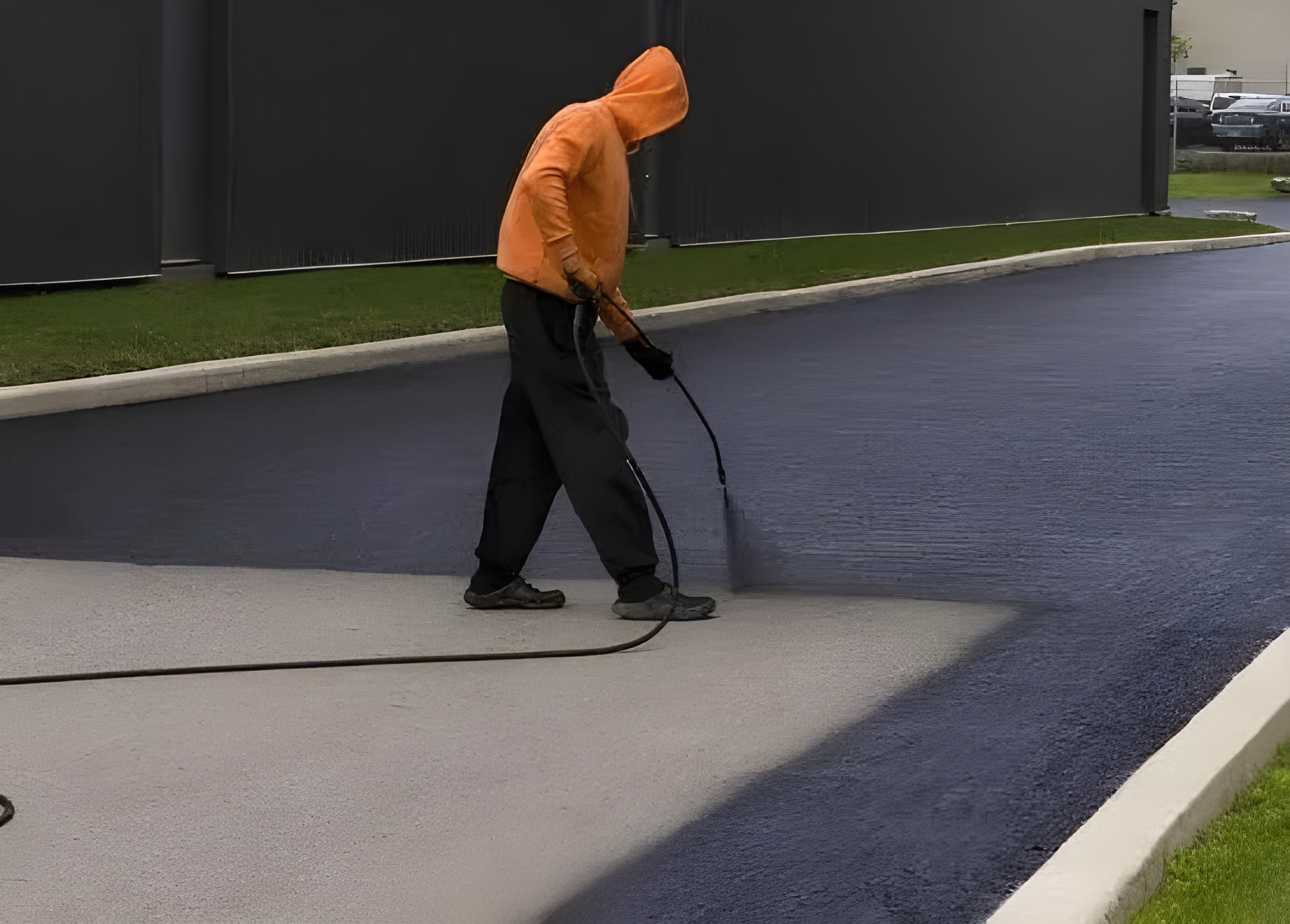
    Sealer goes down evenly across the open field while our crew hand-brushes edges, curbs, and borders. Masking protects slabs and landscaping from overspray and drips along the way, leaving clean lines from start to finish.

    STEP 06

    Cure and Reopen
    Barriers stay in place until the coating is ready for traffic. We give you a reopening time and simple tips for avoiding tire marks while the fresh surface fully hardens over the following weeks.